TheBestseller
Observatory

Best Sellers

Hardcover Fiction

Week of May 21, 1934

FictionNonfiction
WeekMonth
Jump to
1
NEW
LAMB IN HIS BOSOM
Caroline Miller
Cover of LAMB IN HIS BOSOM

LAMB IN HIS BOSOM

by Caroline Miller · Harper

8 wks at #1 · 1 on list

This 1934 Pulitzer Prize winner tells the story of a pair of young newlyweds in antebellum rural Georgia. In 1934, Caroline Miller's novel Lamb in His Bosom won the Pulitzer Prize for Literature. It was the first novel by a Georgia author to win a Pulitzer, soon followed by Margaret Mitchell's Gone With the Wind in 1937. In fact, Lamb was largely responsible for the discovery of Gone With the Wind; after reading Miller's novel, Macmillan editor Harold S. Latham sought other southern novels and authors, and found Margaret Mitchell. Caroline Miller was fascinated by the other Old South-not the romantic inhabitants of Gone With the Wind, but rather the poor people of the south Georgia backwoods, who never owned a slave or planned to fight a war. The story of Cean and Lonzo, a young couple who begin their married lives two decades before the Civil War, Lamb in His Bosom is a fascinating account of social customs and material realities among settlers of the Georgia frontier. At the same time, Lamb in His Bosom transcends regional history as Miller's quietly lyrical prose style pays poignant tribute to a woman's life lived close to nature-the nature outside her and the nature within.
6
4
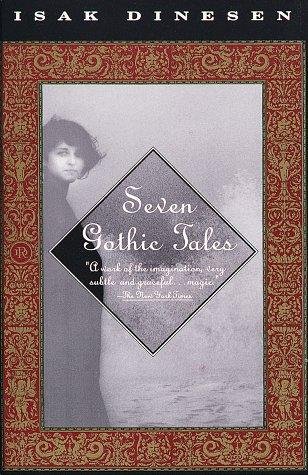
SEVEN GOTHIC TALES
Isak Dinesen
Cover of SEVEN GOTHIC TALES

SEVEN GOTHIC TALES

by Isak Dinesen · Smith & Haas

5 wks on list

An anthology of seven suspenseful stories in nineteenth-century settings.

7
NEW
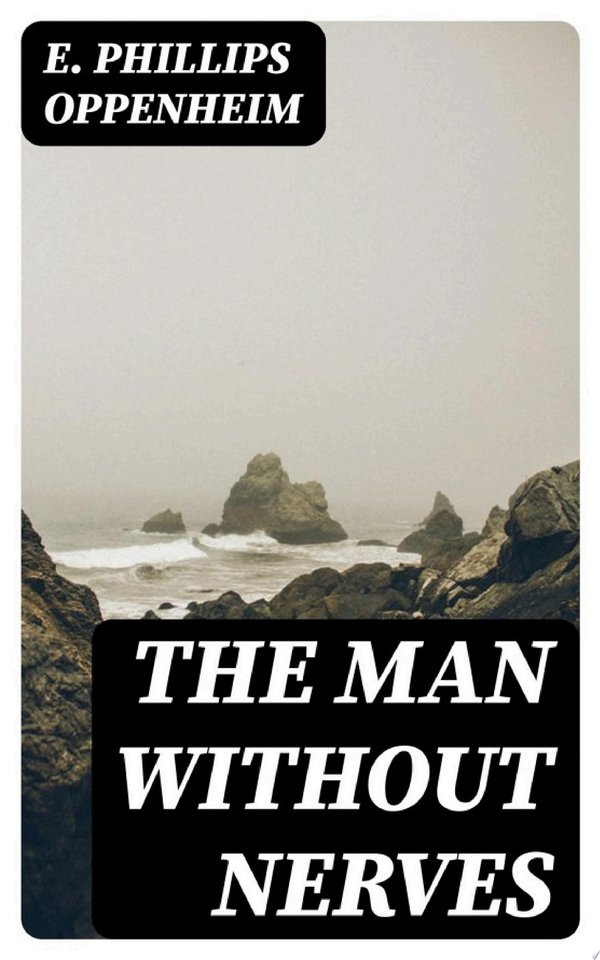
THE MAN WITHOUT NERVES
E. Phillips Oppenheim
Cover of THE MAN WITHOUT NERVES

THE MAN WITHOUT NERVES

by E. Phillips Oppenheim · Little, Brown

1 wks on list

E. Phillips Oppenheim's 'The Man Without Nerves' beckons readers with its intricate blend of suspense and psychological intricacy. Set against the backdrop of early 20th-century Europe, the novel invites its audience to traverse a landscape rich in political machinations and high-stakes gameplay. Infused with Oppenheim's trademark sophisticate prose, the narrative weaves a complex tale of espionage and human resilience, marked by unparalleled character development and a nuanced exploration of the human psyche. As is characteristic of Oppenheim's body of work, the story negotiates between the literary context of Edwardian fiction and the emergent facets of the thriller genre, crafting a unique and gripping stylistic tenor. The novel, briskly paced and keenly observed, underscores the era's literary proclivities while ushering in a modern sensibility towards narrative tension and character depth. E. Phillips Oppenheim, a prolific author renowned for his contributions to the thriller and spy novel genre, was a master storyteller whose experiences spanned a transformative period in world history. His life, contemporaneous with immense technological and political shifts, influenced his writing, instilling in it a prescient understanding of international intrigue and personal daring. His expertise in encapsulating the zeitgeist of his time, coupled with a keen insight into human nature, sets 'The Man Without Nerves' as a paragon of its genre, a testament to Oppenheim's enduring legacy in literature. This book comes highly recommended for aficionados of classic thrillers and those interested in the literary progression of suspenseful storytelling. It is a veritable testament to DigiCat Publishing's dedication to preserving the luminance of human thought and letters. With 'The Man Without Nerves,' readers are not merely uncovering a story; they are rediscovering a cornerstone of thriller literature, one that resonates with the intellectual and emotional undercurrents of its time, while also providing entertainment and reflection to the modern reader.

Historical bestseller data sourced from the New York Times Book Review, archived by Hawes Publications.