1
—
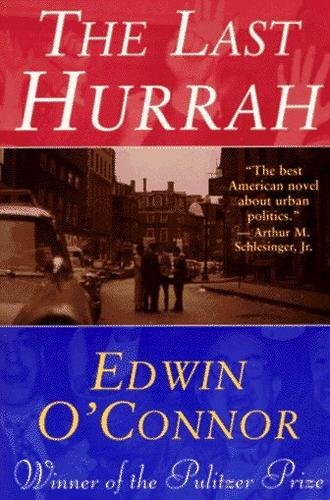
THE LAST HURRAH
Edwin O'Connor
Historical Note
The I, Libertine Hoax
In 1956, radio personality Jean Shepherd orchestrated one of the most audacious cons in publishing history. He instructed his late-night listeners to walk into bookshops and libraries and ask for a nonexistent book: I, Libertine by the equally nonexistent "Frederick R. Ewing." Demand reports from booksellers were enough to land it on regional bestseller lists — and eventually get it noticed by the NYT. Publisher Ian Ballantine called Shepherd's bluff and commissioned the book for real, hiring science fiction writer Theodore Sturgeon to write it in a weekend. It was published later that year, making the hoax self-fulfilling.
Learn more ↗
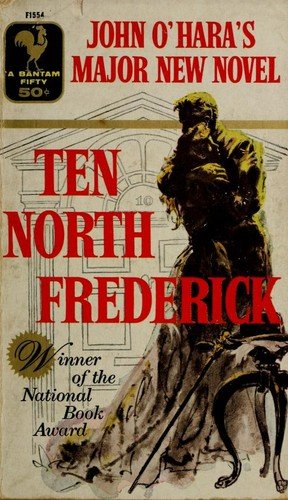
by John O'Hara · Random House
At her father's funeral, Ann Chapin thinks back over the last five years of his life in Gibbsville, Pennsylvania - years of political and personal failure dominated by a selfish and dissatisfied wife and eased only by alcohol.
by Santha Rama Rau · Harper
"The first novel of a well known and well traveled author turns "home to India" for a story of young woman's choice of a way of life. The daughter of a brilliant lawyer whose crusading has helped the Congress Party and the cause of freedom but whose political usefulness has passed, Baba lives in Bombay, was educated in England, but thinks of her grandmother's country house in Jalnabad as home. It is at the New Year's party in 1947 that Baba meets the young American couple, the Nichols, and is drawn by their open love for one another and enthusiasm for exotic India. Her friend Pria, clannish and withdrawn from the Americans, tells her that they have no place in the Indian way of life -- and as the Americans retreat, bewildered by their encounter with Indians and attempts to be friends, Baba sees the truth the Pris's remark. Still, imbued with the idea of romantic love they embody, she will not marry Hari, the eligible companion and suitor, until she has had a sour taste of infatuation for a young school teacher while visiting her mother and grandmother in Malabar -- her little adventure that provides her answer. Written with the attention to detail and authenticity of her non-fiction and with central interest focussed on a strenuous cultural exercise, this has another atmosphere from the more lyric and dramatic Some Inner Fury by Kamala Markandaya or from the more openly satirical A by R. Prawer Jhabvala."--Kirkus
by Peter De Vries · Little, Brown and Company
A laugh-out-loud novel about teenage pretensions and adult delusions from an author whom the New York Times has called "a Balzac of the station wagon set" Chick Swallow and his best friend, Nickie Sherman, are teenage boulevardiers of Decency, Connecticut, devotees of Oscar Wilde who spend their evenings crafting perverse aphorisms in an ice-cream parlor. "There is only one thing worse than not having children," opines Chick, "and that is having them." Unrepentant aesthetes, someday soon they will be in Paris or New York, far removed from the mainstream. Then the unthinkable happens. Marriage. Family. Dinner parties. For Chick, a job at the local newspaper writing an advice column punctuated by blandly inspirational Pepigrams: "To turn stumbling blocks into stepping stones— pick up your feet." For Nickie, an unlikely career in law enforcement. But just when it seems that their lives have settled down before they could even begin, Chick begins an affair with Mrs. Thicknesse, a newspaper music critic of ample girth and means, and a whole brouhaha breaks loose: blackmail, forgery, secret sleuthing, lawsuits. There is drama in suburbia after all, and Chick and Nickie are up to their necks in it. A wild, witty tale of friendship, marriage, and infidelity, Comfort Me with Apples is full of the brilliant wordplay and delicious ironies that made Peter de Vries "one of the best comic novelists that America has ever produced" ( Commentary).
Historical bestseller data sourced from the New York Times Book Review, archived by Hawes Publications.