1
—
CHEAPER BY THE DOZEN
Frank B. Gilbreth and Ernestine Gilbreth Carey
CHEAPER BY THE DOZEN
by Frank B. Gilbreth and Ernestine Gilbreth Carey · Grosett & Dunlap
22 wks at #1 · 11 on list
by Frank B. Gilbreth and Ernestine Gilbreth Carey · Grosett & Dunlap
by Thomas Merton · Harcourt, Brace
Contains primary source material.
by Dale Carnegie · Simon & Schuster
For the first time in trade paperback comes Dale Carnegie's classic, six-million copy bestselling guide to taking action and reducing life's worries.
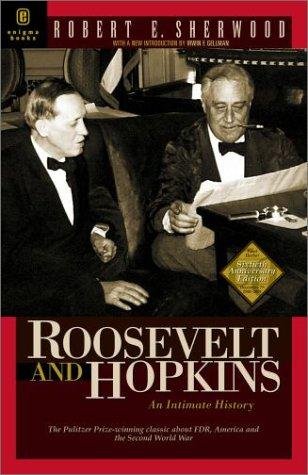

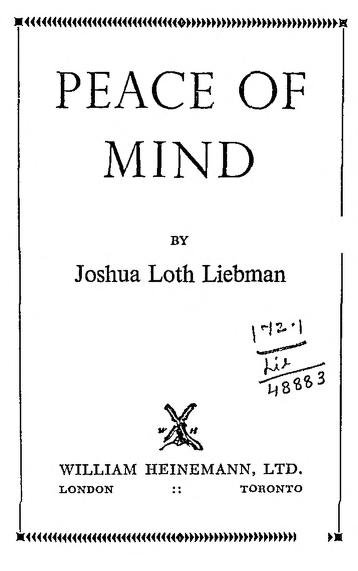
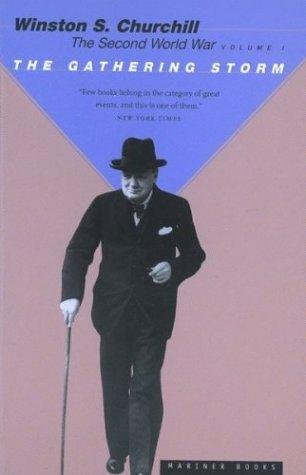
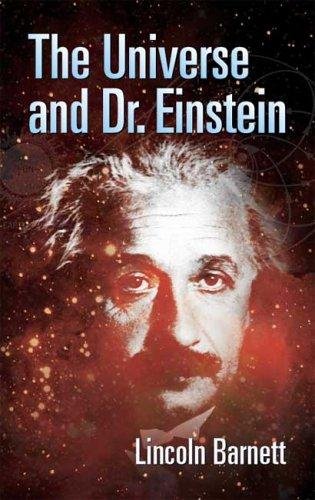
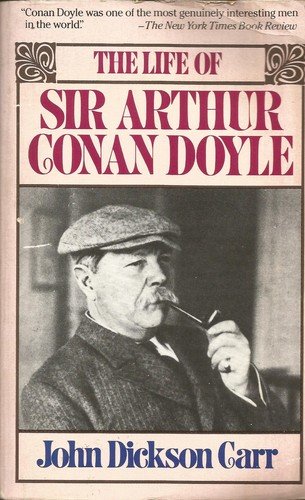
by John Dickson Carr · Harper
A biography of the creator of Sherlock Holmes, based on family papers.
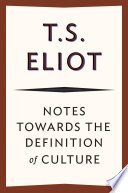
by T.S. Eliot · Harcourt, Brace
This critique of modern society argues that culture must be organic, and cannot be planned or imposed. The word culture has been widely and erroneously employed in political, educational, and journalistic contexts. In helping to define a word so greatly misused, T. S. Eliot contradicts many of our popular assumptions about culture, reminding us that it is not the possession of any one class but of a whole society—and yet its preservation may depend on the continuance of a class system, and that a "classless" society may be a society in which culture has ceased to exist. Surveying the post–World War II world, Eliot finds evidence of decay in cultural standards in every department of human activity, and expects the phenomenon to continue. He suggests that culture and religion have a common root—and if one decays, the other may die too. In observing the superpowers of his day and the course of recent history, he reminds us that "the Russians have been the first modern people to practise the political direction of culture consciously, and to attack at every point the culture of any people whom they wish to dominate." The appendix includes Eliot's broadcasts to Europe, ending with a plea to preserve the legacy of Greece, Rome, and Israel, and Europe's legacy throughout the last two thousand years. "Behind the urbanity, the modesty, the mere good manners of Mr. Eliot's exposition, one cannot mistake the force and significance of what he has to say, or ignore that it constitutes a fundamental attack on most of our assumptions on the subject." — The Spectator
Historical bestseller data sourced from the New York Times Book Review, archived by Hawes Publications.